

TL;DR
What Is an Infrared Sauna?
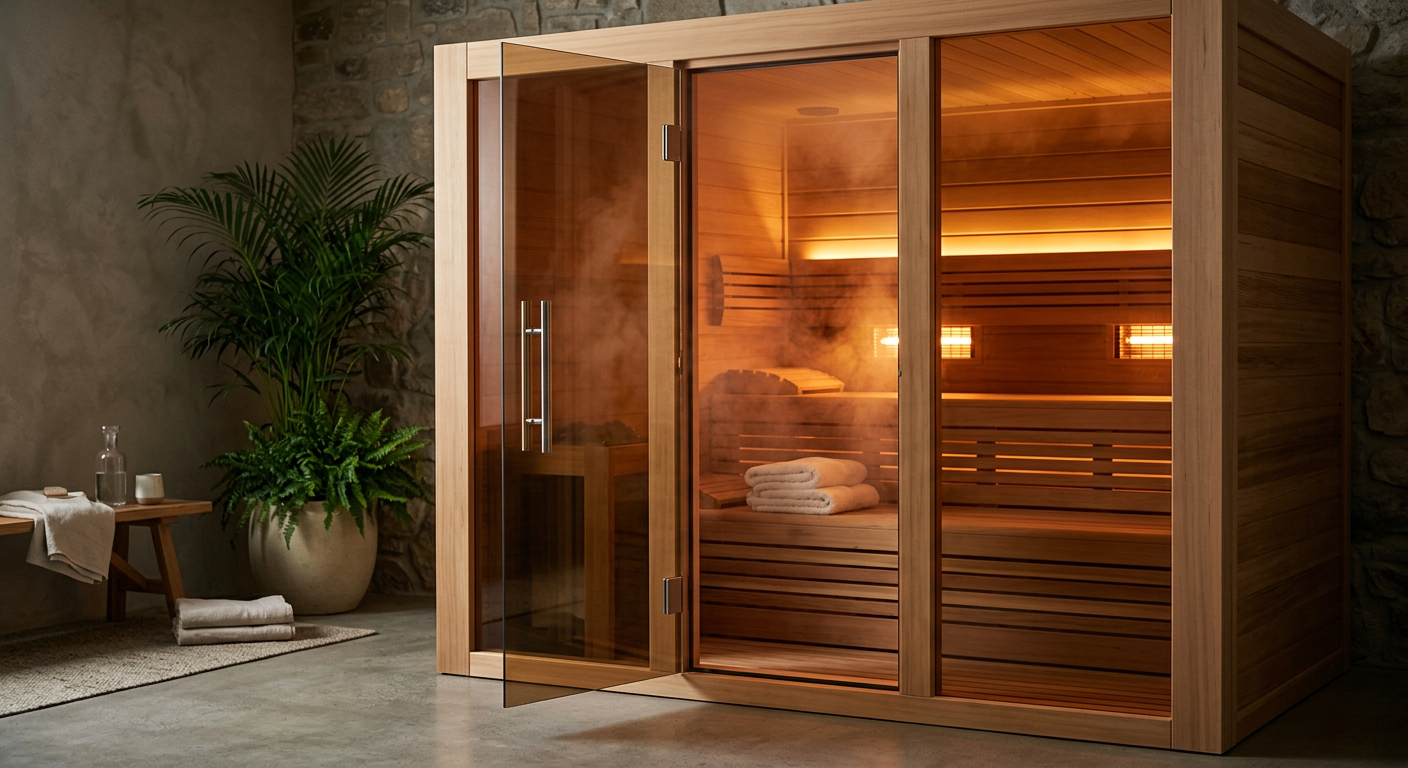
Unlike traditional Finnish saunas that heat the air to extreme temperatures, infrared saunas use panels that emit far-infrared light waves. These waves penetrate your skin and heat your body directly, raising core temperature without making the air unbearably hot.
You still get the deep sweat and elevated heart rate, just without the feeling of breathing hot soup. Air temperatures sit around 120-150°F instead of 150-195°F. That makes it easier to stay in longer, and the cardiovascular benefits scale with how long and how often you go.
The Heart Health Evidence
The Finnish Sauna Study
The Kuopio Ischemic Heart Disease Risk Factor Study tracked 2,315 middle-aged Finnish men for over 20 years. The numbers are hard to ignore:
- 4-7 sauna sessions per week reduced sudden cardiac death risk by 63% compared to once-a-week use
- Fatal cardiovascular disease risk dropped by 50% in frequent sauna users
- All-cause mortality was 40% lower in the most frequent sauna users
- Longer sessions (19+ minutes) provided greater benefit than shorter ones
This study used traditional Finnish saunas, not infrared. But the mechanism is the same: heat raises core temperature, blood vessels widen, cardiac output increases. Infrared saunas produce the same physiological response, just at temperatures that won't make you want to leave after five minutes.
Blood Pressure Reduction
Heat lowers blood pressure in a few ways:
- Vasodilation: Heat causes blood vessels to widen, reducing vascular resistance and lowering blood pressure. This is the same mechanism behind blood pressure drops during exercise.
- Nitric oxide release: Heat stress increases nitric oxide production, which further relaxes blood vessel walls.
- Reduced arterial stiffness: Regular heat exposure improves arterial compliance over time, meaning your blood vessels stay flexible rather than hardening with age.
- Sympathetic nervous system modulation: Regular sauna use helps recalibrate your body's stress response, reducing chronic sympathetic activation that keeps blood pressure elevated.
A 2019 study published in the Journal of Human Hypertension found that a single 30-minute sauna session reduced systolic blood pressure by an average of 12 mmHg and diastolic pressure by 8 mmHg, with effects lasting 30-60 minutes post-session. Over 8 weeks of regular use (3-4 times per week), sustained reductions of 5-8 mmHg systolic were observed.
Track Your Response
What else infrared saunas do
Beyond blood pressure, regular sauna use affects several other systems. Infrared heat penetrates deeper into muscle tissue than hot air, which is why athletes use it for post-training recovery. It also lowers inflammatory markers like CRP and IL-6, and since chronic inflammation damages blood vessels over time, that matters for long-term heart health.
There is also a stress angle. Heat therapy nudges your nervous system toward parasympathetic ("rest and digest") mode, which lowers cortisol. High cortisol keeps blood pressure elevated, so anything that reliably brings it down has cardiovascular value.
One less-discussed benefit: heat shock proteins (HSPs). Your body produces these protective molecules in response to heat stress. HSPs help repair damaged cells and reduce plaque buildup in arteries. Think of them as a maintenance crew that only shows up when things get hot.
How to Use an Infrared Sauna Safely
Session Guidelines
- Temperature: Start at 120-130°F and work up to 140-150°F over several sessions
- Duration: Begin with 15 minutes. Increase to 30-45 minutes as your body adapts.
- Frequency: 3-4 sessions per week for cardiovascular benefits. Daily use is safe for most people.
- Hydration: Drink at least 16 oz of water before and after. Add electrolytes if sweating heavily.
- Timing: Evening sessions may improve sleep quality. Avoid sauna within 30 minutes of eating a large meal.
Who Should Avoid Infrared Saunas
Contraindications
Infrared Sauna vs Other Heat Therapies
Quick comparison with other options:
- Traditional sauna: Similar cardiovascular benefits, but higher air temperatures can be uncomfortable. Both are effective.
- Hot baths: A 2020 study found regular hot baths (at least 5 per week) were associated with 28% lower cardiovascular risk. Similar mechanism, less intense.
- Steam rooms: Humid heat, similar vasodilation effects, but less deep-tissue penetration than infrared.
- Exercise: Provides all the benefits of heat therapy plus muscle building, bone density, and metabolic improvement. Sauna complements exercise but does not replace it.
Making it stick
The cardiovascular payoff comes from doing this regularly over months, not from one great session. Put it on your calendar like you would a gym workout. Pair it with a DASH-style diet and regular blood pressure monitoring and you have a solid foundation.
Measure your blood pressure before you start, then again after 4-8 weeks of consistent use. The numbers either move or they don't. That is worth more than any anecdote.