
Low blood pressure (hypotension) can cause dizziness, fatigue, fainting, and blurred vision. While not as commonly discussed as high blood pressure, it can significantly affect quality of life. The good news is that dietary changes can help manage low blood pressure safely and effectively.
This guide covers the best foods to raise blood pressure naturally, how to structure your meals, key nutrients to focus on, and foods to avoid when managing hypotension.
Understanding How Food Affects Blood Pressure
Blood pressure is determined by two main factors: blood volume (how much blood is circulating) and vascular resistance (how narrow or wide your blood vessels are).
Food influences blood pressure through several mechanisms:
- Sodium (salt) causes the body to retain water, increasing blood volume
- Fluids directly increase blood volume
- Caffeine temporarily constricts blood vessels, raising pressure
- Large meals divert blood to the digestive system, potentially lowering pressure elsewhere
- Certain nutrients (vitamin B12, folate, iron) support red blood cell production and healthy circulation
When to See a Doctor
Best Foods to Raise Low Blood Pressure
1. Salty Foods (Use Carefully)
For most people, reducing salt is recommended. But for those with low blood pressure, increasing sodium intake carefully can help raise blood pressure to a healthier range.
Good high-sodium food choices include:
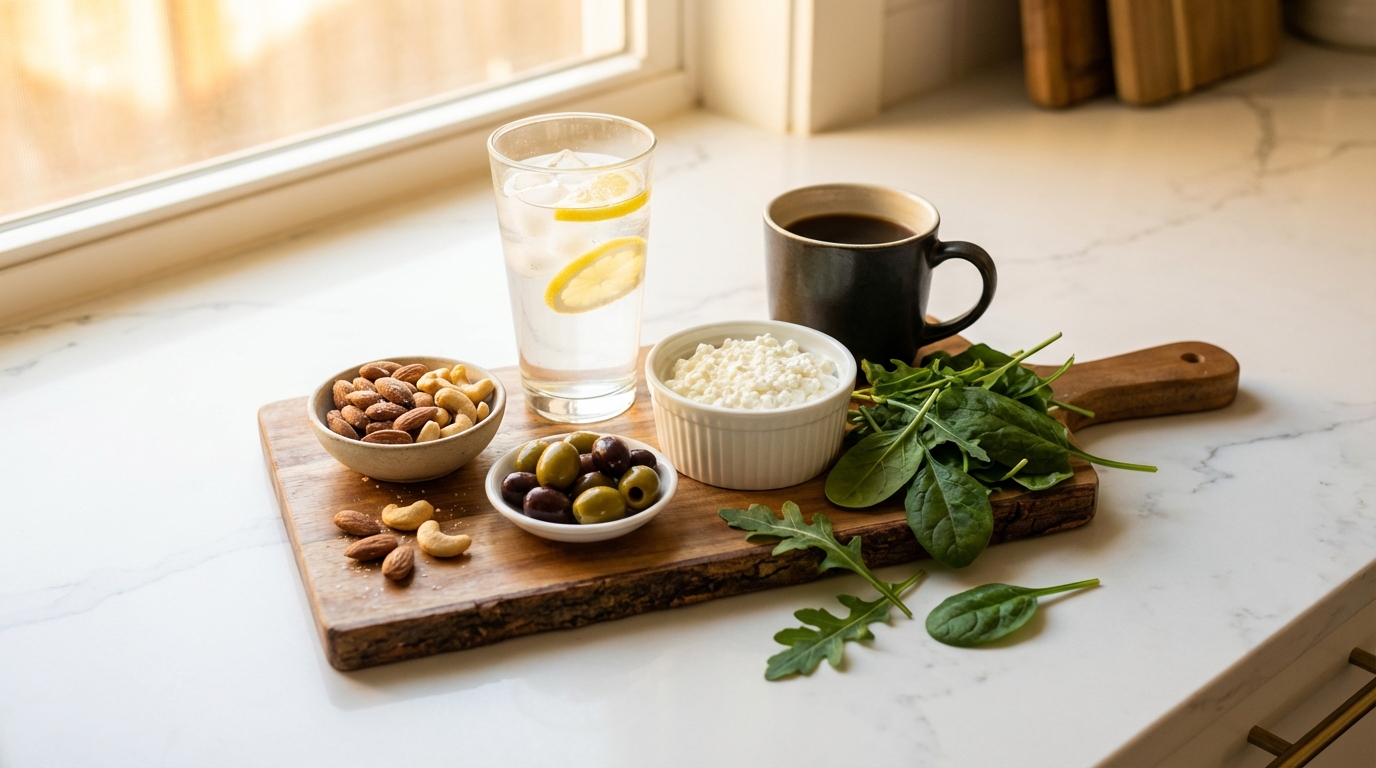
- Salted nuts (almonds, cashews, peanuts)
- Olives and pickles
- Cottage cheese and feta cheese
- Canned soups and broths
- Deli meats and smoked fish
- Pretzels and salted crackers
- Soy sauce, miso, and other fermented condiments
Important Safety Note
2. Increase Fluid Intake
Dehydration is one of the most common causes of low blood pressure. Increasing fluid intake boosts blood volume, which helps maintain healthy blood pressure.
Best fluid strategies for low blood pressure:
- Drink 8-10 glasses of water daily (2-2.5 liters)
- Drink 12-18 ounces of water 15 minutes before standing up if you experience orthostatic hypotension
- Increase fluids during hot weather, exercise, or illness
- Include hydrating foods like watermelon, cucumbers, and soups
- Electrolyte drinks can help if you sweat heavily or have been ill
Research shows that drinking water before meals or before standing can help prevent blood pressure drops, especially in older adults.
3. Caffeine-Containing Beverages
Caffeine causes a temporary increase in blood pressure, typically raising it by 5-10 mmHg. This can be helpful when managing low blood pressure symptoms.
Good caffeinated options:
- Coffee (1-2 cups when symptoms occur)
- Black or green tea
- Caffeinated soft drinks (in moderation)
- Energy drinks (use cautiously and sparingly)
Important note: Regular caffeine users develop tolerance, reducing the blood pressure effect. Caffeine is best used occasionally when you need a boost, not as a constant daily strategy. Also, avoid excessive caffeine intake, which can cause jitteriness, anxiety, and sleep problems.
4. Foods Rich in Vitamin B12
Vitamin B12 is essential for producing healthy red blood cells. A deficiency can lead to anemia, which may contribute to low blood pressure and fatigue.
Best B12 sources:
- Eggs (especially the yolk)
- Meat (beef, chicken, pork)
- Fish (salmon, tuna, sardines)
- Shellfish (clams, mussels, oysters)
- Milk and dairy products
- Fortified breakfast cereals
- Nutritional yeast
5. Folate (Vitamin B9) Rich Foods
Like B12, folate is crucial for red blood cell formation. Folate deficiency can cause anemia and contribute to low blood pressure.
Good folate sources:
- Dark leafy greens (spinach, kale, collard greens)
- Broccoli and asparagus
- Lentils, chickpeas, and black beans
- Fortified bread and pasta
- Liver (beef or chicken)
- Avocado
- Brussels sprouts
6. Iron-Rich Foods
Iron deficiency anemia is a common cause of low blood pressure, especially in women of childbearing age. Ensuring adequate iron intake supports healthy blood cell production and circulation.
Best iron sources:
- Red meat (beef, lamb)
- Poultry (chicken, turkey)
- Fish and shellfish
- Beans and lentils
- Tofu and tempeh
- Fortified cereals
- Dark chocolate and cocoa powder
- Pumpkin seeds and quinoa
Pro tip: Pair iron-rich plant foods with vitamin C sources (citrus fruits, tomatoes, capsicum) to enhance iron absorption.
Meal Timing and Structure
Eat Small, Frequent Meals
Large meals can cause postprandial hypotension, a drop in blood pressure that occurs 30-90 minutes after eating. This happens because blood is diverted to the digestive system.
To prevent this:
- Eat 5-6 small meals instead of 3 large ones
- Keep carbohydrate portions moderate (high-carb meals worsen postprandial hypotension)
- Include protein and healthy fats with each meal to slow digestion
- Drink water before meals to help maintain blood pressure
Research shows that smaller, more frequent meals help maintain more stable blood pressure throughout the day, especially in older adults and people prone to dizziness after eating.
Don't Skip Breakfast
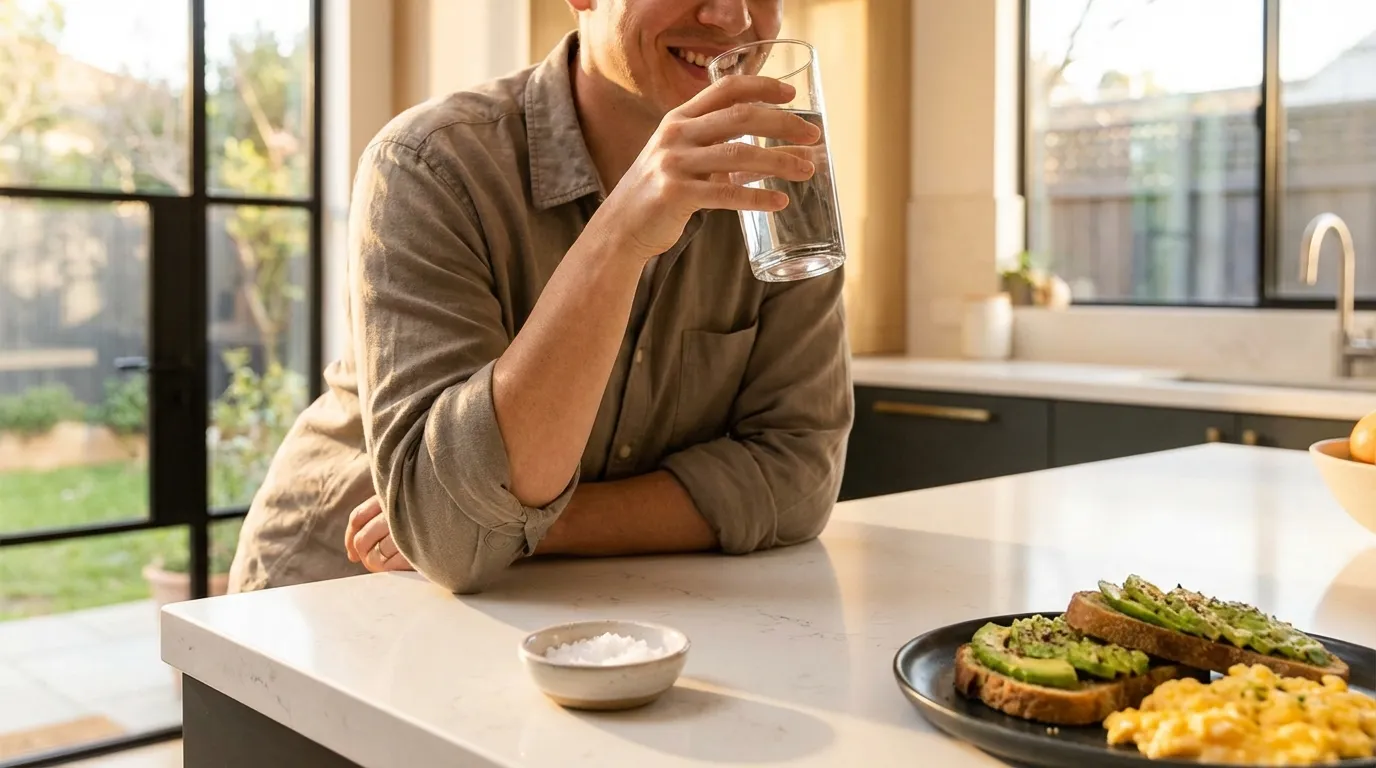
Skipping breakfast can worsen low blood pressure symptoms, especially orthostatic hypotension (dizziness when standing). A balanced breakfast provides fluids, nutrients, and energy to start the day.
Sample low blood pressure breakfast:
- Scrambled eggs with cheese
- Whole grain toast with butter and a pinch of salt
- Glass of orange juice (for vitamin C and folate)
- Coffee or tea (for caffeine)
Foods to Eat and Foods to Avoid
| Food Category | Best for Hypotension | Foods to Limit/Avoid |
|---|---|---|
| Proteins | Eggs, cheese, deli meats, smoked fish, salted nuts | Very large protein portions (can cause postprandial hypotension) |
| Carbohydrates | Small servings of whole grains, fortified cereals | Large servings of white rice, pasta, bread (spike then crash) |
| Vegetables | Leafy greens (folate), moderate portions | Very large servings of high-potassium foods (sweet potato, banana) |
| Beverages | Water, coffee, tea, broths, electrolyte drinks | Alcohol (dilates blood vessels), beetroot juice (lowers BP) |
| Snacks | Salted nuts, olives, pickles, pretzels, crackers | Licorice candy (only under medical supervision) |
| Condiments | Salt, soy sauce, miso, pickled vegetables | Hibiscus tea, celery juice (both lower blood pressure) |
What About Licorice?
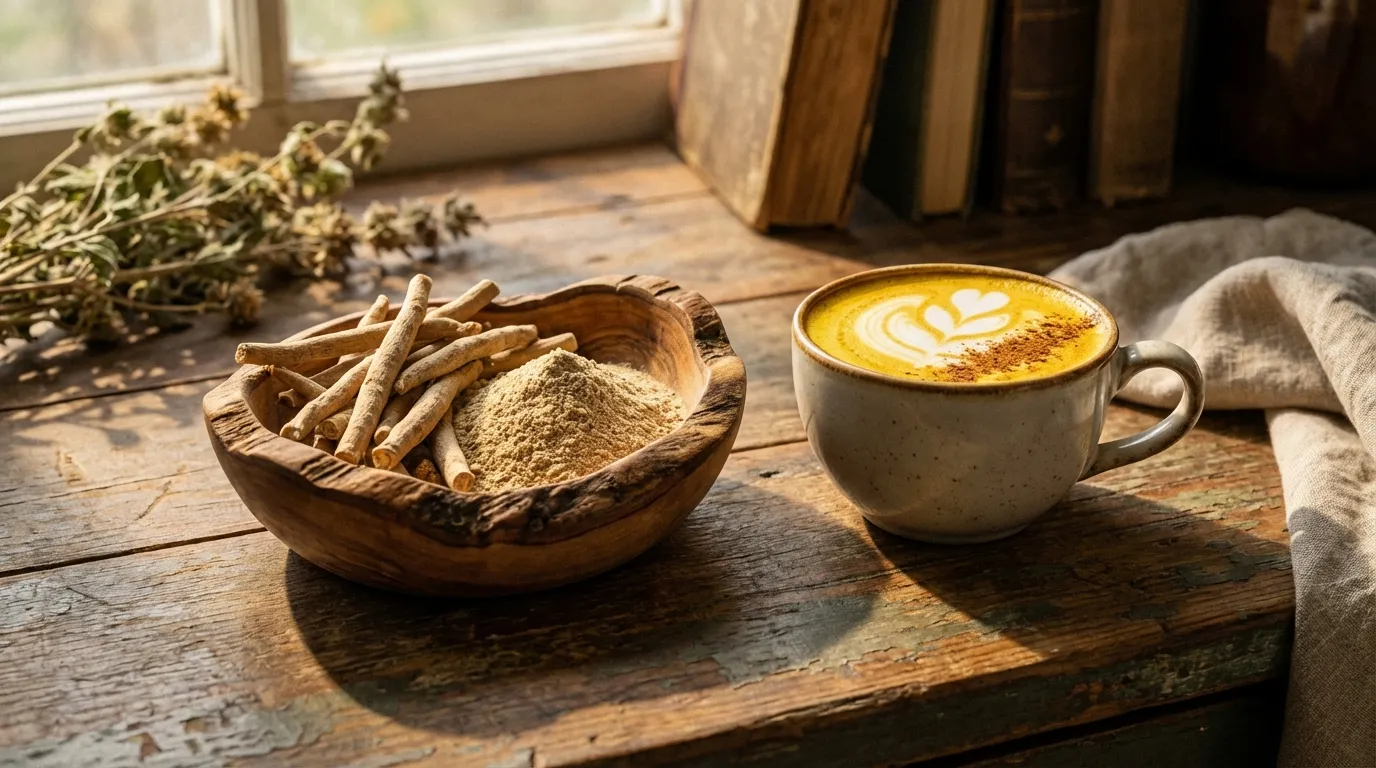
Licorice root contains glycyrrhizic acid, a compound that can raise blood pressure by affecting hormones that regulate sodium and water balance. Some people with low blood pressure have used licorice as a remedy.
However, licorice is potentially dangerous:
- Can cause dangerously high blood pressure if overused
- May lead to low potassium levels, irregular heart rhythms, and muscle weakness
- Recent studies show even small amounts (100 mg glycyrrhizic acid daily) can significantly raise blood pressure
- Interacts with many medications, including blood pressure drugs and diuretics
Medical Supervision Required
Foods That May Make Low Blood Pressure Worse
Alcohol
Alcohol dilates blood vessels and can significantly lower blood pressure. Even small amounts can worsen hypotension symptoms like dizziness and fatigue. If you have low blood pressure, limit or avoid alcohol.
Large, Carb-Heavy Meals
Big portions of rice, pasta, bread, or potatoes can cause a sharp drop in blood pressure after eating. Keep carbohydrate portions moderate and spread them throughout the day.
Foods Known to Lower Blood Pressure
If you have hypotension, be cautious with foods that are beneficial for high blood pressure but may worsen low blood pressure:
- Beetroot juice (significantly lowers BP)
- Hibiscus tea (lowers BP by 7-10 mmHg)
- Celery and celery juice
- Dark chocolate in large amounts
- Garlic supplements (fresh garlic in cooking is fine)
Sample Daily Meal Plan for Low Blood Pressure
Here is an example of how to structure meals to help manage low blood pressure:
Breakfast (7:00 AM):
- Scrambled eggs with cheese
- Whole grain toast with salted butter
- Glass of orange juice
- Cup of coffee or tea
Morning Snack (10:00 AM):
- Handful of salted almonds
- Glass of water
Lunch (12:30 PM):
- Chicken and vegetable soup (broth-based, moderate sodium)
- Small spinach salad with feta cheese
- Whole grain crackers
- Water or iced tea
Afternoon Snack (3:30 PM):
- Cottage cheese with cucumber slices
- A few olives
- Water
Dinner (6:30 PM):
- Grilled salmon
- Steamed broccoli and asparagus
- Small portion of brown rice
- Water or herbal tea (not hibiscus)
Evening Snack (8:30 PM, if needed):
- Fortified cereal with milk
- Or a small serving of salted nuts
How Quickly Will Dietary Changes Work?
The timeline for seeing improvements depends on the type of dietary change:
| Dietary Change | Time to Effect | Duration of Effect |
|---|---|---|
| Salty snack | 30-60 minutes | Several hours |
| Caffeine (coffee/tea) | 15-30 minutes | 3-4 hours (diminishes with tolerance) |
| Drinking water | 15-30 minutes | 1-2 hours |
| Small frequent meals | Within days | Ongoing while maintained |
| Correcting B12/folate/iron deficiency | Weeks to months | Long-term if deficiency is resolved |
| Consistent higher sodium intake | Days to 1-2 weeks | Ongoing while maintained |
When Diet Isn't Enough
Dietary changes can be very effective for mild to moderate low blood pressure, but they may not be enough in all cases.
See a doctor if you experience:
- Frequent fainting or near-fainting episodes
- Severe dizziness that interferes with daily activities
- Confusion, blurred vision, or slurred speech
- Rapid, shallow breathing or weak pulse
- Cold, clammy, pale skin
- Chest pain or shortness of breath
- Blood pressure consistently below 90/60 mmHg with symptoms
Medical treatments for low blood pressure may include medications that increase blood volume or constrict blood vessels, compression stockings, and addressing underlying conditions like heart problems, endocrine disorders, or neurological issues.
Key Takeaways
Managing low blood pressure through diet involves several strategies working together:
- Increase sodium intake carefully under medical guidance (3,000-5,000 mg/day may be appropriate for some)
- Stay well-hydrated with 8-10 glasses of water daily, more before standing or eating
- Eat small, frequent meals instead of large ones to prevent postprandial hypotension
- Use caffeine occasionally when symptoms occur (1-2 cups coffee or tea)
- Ensure adequate intake of vitamin B12, folate, and iron through eggs, fortified cereals, leafy greens, and lean meats
- Avoid alcohol and very large, carb-heavy meals
- Be cautious with foods that lower blood pressure (beetroot juice, hibiscus tea)
Always consult a healthcare provider before making significant dietary changes, especially if you have other health conditions or take medications. While food can help manage low blood pressure, it works best as part of a comprehensive approach that may include medical treatment and lifestyle adjustments.